Video SEO for YouTube and Social Platforms: A Complete Guide
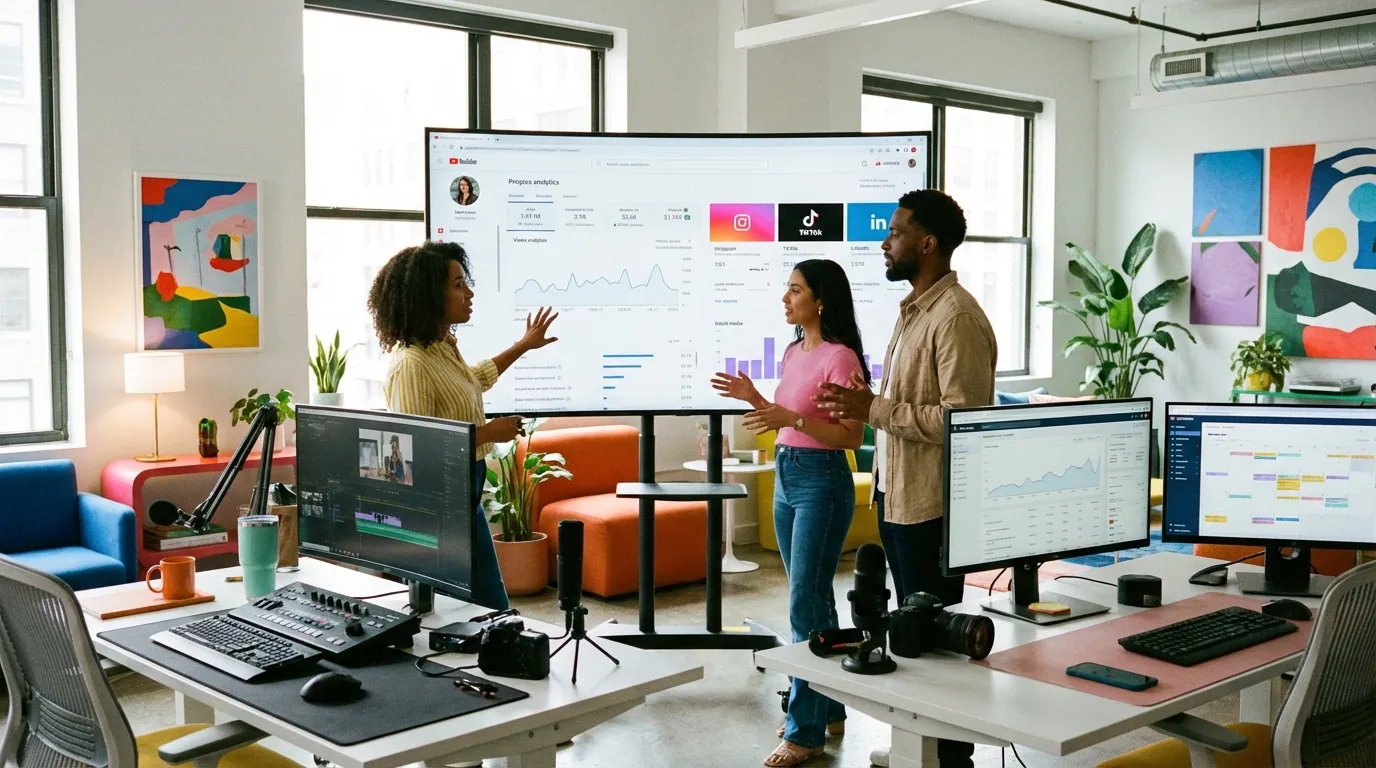
In 2025’s digital marketing landscape, video content has shifted from being a useful extra to serving as the primary driver of organic traffic, brand visibility, and, when executed well, lasting audience trust. Industry forecasts suggest video will account for 82% of all internet traffic this year, making mastery of YouTube SEO and social platform optimization a core growth skill rather than an optional tactic. For SaaS companies, e-commerce retailers, and mid-sized enterprises, strategic video SEO often means unlocking worldwide exposure, integrating AI-powered scaling for efficiency, maintaining consistent messaging across channels, and meeting each platform’s often strict technical requirements. For additional strategies, you can explore SEO tools for SaaS companies.
The real challenge comes from how quickly algorithms evolve on YouTube, Instagram, TikTok, and Google, sometimes changing before a campaign even launches. Recommendation systems now blend visual cues with text-based data, while short-form video continues to dominate feeds and likely will for the foreseeable future. This reality usually demands adaptable strategies, built with multi-platform execution in mind from day one. No single formula works everywhere, but the most resilient brands plan for that variability.
This guide covers:
- How to fine-tune videos for YouTube and social using tested SEO methods
- Leveraging AI to speed up video SEO without losing your unique style
- Weaving technical SEO into a bigger content strategy
- Mobile-first tweaks, fresh metadata, and clever cross-platform posting tips
Video is no longer just a content format, it’s a foundational element of modern SEO strategy.
Understanding the Fundamentals of Video SEO
Video SEO is about shaping your video content so search engines and platform algorithms are more inclined to surface it, recommend it, and keep it in circulation longer. On YouTube, this usually means grasping how metadata, watch time, and engagement metrics interact to influence rankings. Instagram, TikTok, and LinkedIn each have distinct tendencies, algorithms that often reward relevance, active interaction, and timely uploads, sometimes pushing a post far faster than expected.
Key factors include:
- Metadata Optimization: Titles, descriptions, tags, and categories should fold in keywords naturally, using the exact phrases viewers are likely searching for.
- Engagement Signals: Likes, comments, shares, and watch time all contribute to widening your audience reach.
- Accessibility Enhancements: Captions, transcripts, or audio descriptions not only help more viewers follow along but can also give SEO performance a noticeable boost.
| Factor | Impact | Platform |
|---|---|---|
| Metadata | High | YouTube, TikTok |
| Captions | Medium | Instagram, LinkedIn |
| Engagement | High | All |
From these cases, it becomes clear that while metadata and engagement often drive visibility across most platforms, accessibility features can sometimes tip the scale, especially if your audience tends to watch videos in muted environments, or you’re appealing to multilingual viewers.
Platform priorities differ. YouTube places strong weight on watch time and keeping viewers within its ecosystem. TikTok favors rapid engagement and high completion rates. LinkedIn tends to promote videos that spark professional dialogue and thoughtful exchanges worth reading. For instance, a YouTube tutorial benefits from keeping viewers engaged for several minutes, whereas a TikTok clip must hook attention instantly, through value, humor, or intrigue, to prompt quick interaction. Brands that adapt to these patterns can align technical SEO with audience behavior seamlessly. That might involve integrating keywords into spoken content or pacing scenes to maintain focus. When SEO is considered early in the creative process, it often results in storytelling and search visibility reinforcing each other naturally.
In 2025, SEOs will need to think beyond Google and embrace optimization for multiple search engines, as AI platforms like TikTok, Instagram, and YouTube increasingly become discovery hubs.
Crafting Keyword-Optimized Video Metadata
Metadata works as the bridge between your videos and the algorithms that decide who actually gets to see them. On YouTube, the challenge is usually finding the right balance between precise keywords and titles that genuinely invite clicks. A generic label like “SEO Tips” may fade into the crowd, whereas “SEO Tips for SaaS Brands in 2025” signals specificity, timeliness, and relevance. Descriptions benefit from naturally blending primary and secondary keywords, steering clear of stiff, mechanical phrasing, while tags can expand your reach by covering variations and related angles, avoiding the trap of a single narrow term.
One useful approach could be:
- Keyword Research: AI-driven clustering often reveals search terms with solid traffic yet minimal competition. For more insights, see our keyword competitor analysis guide.
- Title Optimization: Position your core keyword within the first 60 characters so it’s visible in search snippets.
- Description Structuring: Add keyword-rich summaries, relevant links, timestamps, and concise tips that are easy to apply.
- Tag Usage: Mix niche phrases, broad industry descriptors, and branded tags to align with multiple search intents.
Think beyond the old habit of keyword stuffing. Effective metadata mirrors the way people actually search, conversational and sometimes imprecise. LSI keywords in descriptions help algorithms grasp topic depth; for example, a video on “AI in marketing” might also reference “machine learning campaigns,” “predictive analytics for ads,” and “automated customer targeting.” Organizing descriptions with an engaging hook up front, key points mid-way, and actionable next steps or resources at the close makes them far more scannable. Tags define the subject, while hashtags in YouTube descriptions or Instagram captions can push visibility within those specific feeds.
You will find analytics invaluable here. Underperforming titles or tags can be adjusted, and that steady refinement often separates videos that quietly fade from those that keep attracting viewers.
Leveraging AI for Scalable Video SEO
AI-powered tools such as SEOZilla give brands a way to automate the heavy lifting, generating metadata that matches their tone, refining transcripts so they genuinely aid search visibility, and pushing videos to multiple CMS platforms without the grind of manual uploads. For teams managing extensive video libraries, this usually means fewer bottlenecks and faster distribution.
What this can deliver includes:
- Keyword integration that preserves brand voice rather than sounding mechanical
- AI-driven thumbnail trials to identify designs with higher click-through rates
- Bulk optimizations ensuring consistent presence across priority channels
- Rapid metadata adjustments that track emerging search behaviors
One useful approach is mining historic performance data to pinpoint formats, themes, and presentation styles that often keep viewers engaged. You might see retention analytics flagging the moment audiences drop off, prompting edits that tighten pacing or trim length to five minutes. NLP systems can reshape raw speech into smooth, keyword-rich transcripts that improve discoverability. Testing titles, thumbnails, and descriptions across platforms quickly highlights the most effective combinations.
For organizations aiming to expand output, AI workflows remove repetitive tasks, freeing up bandwidth for creative storytelling. With built-in real-time monitoring, these systems can adapt metadata or shift release schedules as trends, competitor actions, or algorithm changes emerge, ensuring SEO stays responsive to the current landscape.
Short-Form Video SEO: Maximizing Reach in Under 60 Seconds
Platforms like YouTube Shorts, Instagram Reels, and TikTok have reshaped how audiences consume and engage with video. They reward frequent posting, immediate visual impact, and captions that are effortless to read on a mobile screen, where viewers are usually scrolling.
Key optimization tactics include:
- Filming in vertical 9:16 to match most users’ viewing habits
- Choosing bold text overlays with strong contrast for instant clarity
- Delivering the core message within the opening seconds to prevent swipes away
- Adapting content for each platform’s unique strengths, TikTok’s trending audio often drives discovery, Instagram’s interactive stickers boost engagement, and YouTube Shorts’ filters can make visuals stand out
The decision to keep watching often happens in under two seconds, so the start must pull viewers in. This could be an unusual statistic, a striking visual, or a provocative question. Algorithms tend to amplify energetic, freshly posted clips beyond existing audiences, especially when they align with trending sounds or themes. Yet, adapting to each platform shouldn’t mean diluting the brand’s voice; consistency in tone builds recognition over time. Imagine a SaaS company turning a long tutorial into a brisk 30-second Reel with one practical tip, sharp captions, and graphics tailored to Instagram’s style.
Measurement is vital. High completion rates, frequent shares, and repeat views signal content that resonates. Those metrics guide refinements, helping future videos become easier to discover, more watchable, and more likely to be revisited.
Mobile Optimization for Video SEO
Since more than 75% of video views now come from mobile devices, treating mobile users as your core audience is often the difference between strong engagement and quick drop-offs. Videos that lag, display awkwardly, or appear grainy on smaller screens tend to lose viewers within seconds. Even seemingly minor elements, like a thumbnail’s clarity on a 5-inch display, can noticeably influence click-through rates.
Best practices:
- Vertical or square formats tend to work best for social-first platforms such as Instagram and TikTok
- Trim file sizes to speed up loading without sacrificing too much visual fidelity
- Ensure captions stay legible at arm’s length on a phone
- Try playback in both bright daylight and low light to check color and contrast
Mobile optimization spans the full journey, from the moment a viewer taps play to the point they swipe away. Crisp, recognizable thumbnails help even on older devices, while generously sized buttons reduce frustrating mis-taps. Thoughtful compression usually balances fast loading with acceptable quality, and adaptive streaming keeps resolution steady despite fluctuating Wi-Fi. Portrait layouts with simple thumb controls often perform better in social feeds, whereas YouTube benefits from mobile-tailored cards and end screens. Testing across multiple devices frequently uncovers quirks, like captions slipping out of frame or visuals cropping oddly, that should be resolved before release.
Local Video SEO: Driving Geographic-Specific Engagement
For local businesses, video SEO often proves to be a powerful lever for visibility in Google Maps and local search. Embedding videos in Google Business Profile posts, weaving location-based keywords into titles and descriptions, spotlighting area events, and featuring collaborations with nearby organizations can add a level of authenticity that’s hard to replicate. These tactics help connect content directly to the community it serves. You can also read our local SEO strategies guide for more actionable tips.
Imagine a SaaS company hosting a single-city workshop. A recap video optimized for “[City] SaaS Marketing Strategies,” complete with familiar landmarks, respected local figures, or distinctive cultural elements, usually resonates more deeply with viewers in that area. Where platforms support geo-tags, applying them can noticeably improve local search performance, making the content surface more quickly for relevant audiences.
Working with local influencers, community groups, or niche industry experts often boosts credibility because audiences trust known voices. Curating playlists or ongoing series focused on regional themes, such as “Tech in Austin” or “Marketing in Toronto”, can establish a brand as the go-to resource, drawing in nearby customers while fostering stronger community relationships and generating consistent referrals.
Accessibility and Engagement Through Captions
Captions often go far beyond fulfilling accessibility requirements, they can give search engines a direct text trail to index, which usually means better visibility in search results. Platforms like SEOZilla’s automated captioning subtly integrate relevant keywords into the transcript, letting brands address both inclusivity and discoverability in one move.
Benefits:
- Noticeably higher engagement rates
- Longer watch times among non-native speakers
- Improved search performance from indexable text
- Expanded reach via multilingual caption support
Mobile viewing in noisy spaces or silent scrolling is common, so captions become an essential bridge for those situations. They also help audiences with hearing loss or limited proficiency in the primary language connect with the message. Offering multiple language options can often unlock entirely new regional markets.
You will find that keyword-rich captions tend to improve search rankings over time. Keeping them tightly synced and using strong contrast, white text on a dark background is a practical choice that maintains readability. Tracking caption usage can reveal viewing habits, guiding future content strategy. Done well, captions make videos more discoverable while ensuring no audience is left out.
Advanced Thumbnail Optimization
A thumbnail is often the first visual cue that nudges someone toward clicking, and in that brief moment, design choices can sway attention. Effective ones typically lean on bold, high-contrast colors, deep reds or vivid yellows often stand out, paired with expressive faces, recognizable icons, or a smart combination of both. Maintaining a consistent brand style usually helps, yet occasional creative departures can add intrigue when the content calls for it.
Experimenting with variations through AI tools can reveal patterns you might not expect. You may notice that a subtle tweak, a warmer color tone, tidier font, or a tighter crop, shifts engagement noticeably. Clear text overlays that highlight the video’s key promise make its purpose instantly clear. Facial expressions tend to draw viewers in, especially when eyes are visible. Over time, consistent branding fosters familiarity and trust. AI analysis can spotlight which color schemes, typefaces, or unconventional layouts resonate most. Platform nuances matter too—YouTube’s optimal look often contrasts with Instagram’s, and TikTok’s demands differ again. Even revisiting and refreshing older thumbnails can reintroduce past videos to new audiences.
Measuring Video SEO Performance
Analyzing performance usually starts with watch time, click-through rates, engagement levels, and shifts in your subscriber base over time. YouTube Analytics, along with specialized SEO dashboards, can uncover a surprising depth of detail, sometimes more than expected. The real value often lies in recognizing actionable patterns rather than just scanning numbers.
| Metric | Definition | Importance |
|---|---|---|
| Watch Time | Total viewing minutes | High |
| CTR | Clicks per impression | High |
| Engagement | Likes, comments, shares | Medium |
Align your KPIs with what your business is genuinely trying to achieve. For instance, if lead generation is the priority, CTR and conversion rates often outweigh sheer view counts. Segment the data by platform, audience type, traffic source, and device to reveal which elements truly drive results. Retention graphs can highlight the precise moment viewers begin to disengage, offering a clear signal to adjust pacing or structure, an insight many overlook. Comparing against industry benchmarks adds useful context, while frequent A/B testing usually exposes the tactics that deliver. Feeding these findings back into your strategy ensures each video benefits from the lessons learned in the last.
Your Path Forward in Video SEO
By 2025, success in video SEO will depend on more than simply posting decent content, it will require a deliberate mix of inventive storytelling, precise technical fine‑tuning, AI‑powered streamlining, and audience strategies that drill down into even the smallest niches you might have overlooked. This often means:
- Ensuring videos display flawlessly on mobile screens, where most viewers now watch
- Adjusting metadata and captions so search engines can correctly index and surface them
- Applying AI to accelerate production cycles and sharpen optimization
- Shaping content for short‑form formats, regional audiences, and tightly defined interest groups
These efforts tend to connect your videos with the viewers most likely to stay engaged, those who not only click but watch through to the end.
Because algorithms evolve quickly, competition intensifies, and viewing preferences shift, sometimes faster than predicted, brands benefit from keeping their video strategies nimble. One useful approach is to review your library often, trial fresh formats, and blend creative risk‑taking with technical precision. As AI capabilities expand, even small creators can deliver highly personalized suggestions while automating repetitive SEO tasks. Identify underperforming videos, decide which deserve a revamp, and let tools like SEOZilla handle the routine optimization. Embedding these practices into daily workflows positions you to navigate whatever changes the video marketing landscape brings next.
For further reading, check out our blog on AI tools in digital marketing and authoritative insights from Google’s Search Central Blog for the latest search algorithm updates.