What Is Domain Authority vs Domain Rating

TLDR; Domain Authority (DA) and Domain Rating (DR) are third‑party metrics that estimate a site’s link strength, but they measure different things and are not used by Google in rankings. DA focuses on overall ranking potential across many factors, while DR is more narrowly based on backlink quantity and quality, making neither a direct indicator of SEO success. Smart teams use these metrics for competitive comparison, link prospecting, and trend tracking—not as goals to chase or proof of performance. The key takeaway is to prioritize real outcomes like traffic, rankings, and conversions, using DA and DR only as supporting context alongside stronger SEO signals, especially as AI-driven analysis shifts focus toward quality and relevance over raw scores.
If you work in SEO, two numbers tend to follow you everywhere: Domain Authority and Domain Rating. They show up in tools, reports, pitches, and audits all the time. They look important, and people often treat them that way. Over time, though, many teams start leaning on them too much or using them in ways that don’t actually help.
That confusion causes real problems. Marketers chase higher scores instead of better results, which often pushes traffic and conversions to the side. Content teams worry when scores drop, even while organic traffic keeps rising, which is hard to read correctly. Growth teams compare their sites to huge brands like Amazon or HubSpot and feel behind before they even start. In everyday work, knowing what Domain Authority is, and how it compares to Domain Rating, can make a real difference.
This guide clears things up without making it complicated. It explains Domain Authority vs Domain Rating in plain language the whole team can follow, even if SEO isn’t their main job. There’s no math and no buzzwords. It explains where these metrics come from and what they actually measure, which also helps explain why Google doesn’t use either one. More importantly, it treats domain authority as a decision tool, something that works best for context, not for bragging rights.
The guide also walks through real examples for SaaS and e‑commerce teams, plus mid‑sized teams balancing several priorities at once. These examples will feel familiar. You’ll see how strong SEO teams use DA and DR to plan content and compare competitors without obsessing. It also shows how teams grow results with AI tools like SEOZilla while keeping brand voice steady and technical quality solid, which usually takes more care than people expect.
For deeper insights into SaaS optimization methods, you can explore SaaS SEO tools that connect authority metrics with content strategies.
What Domain Authority Really Means
Domain Authority, often called DA, is a score made by Moz. It runs from 1 to 100 and gives a rough idea of how likely a website is to rank compared with others. Higher numbers usually suggest better ranking potential, while lower numbers point to tougher odds. That’s the basic idea, and it’s meant to stay simple.
What people often miss is how relative the score is. DA only really helps when you compare it with other sites. A DA of 40 might look strong in one niche and pretty average in another. Context matters more than many expect. The score works best when you line up sites that go after the same keywords and target the same audience, direct competitors, not random blogs or major news sites.
Behind the scenes, Moz calculates Domain Authority using a machine learning model. The model looks at many signals, like how many domains link to a site, how strong those links are, spam-related patterns, and how similar sites tend to perform in search results. The exact formula isn’t public, but Moz trains the system using real Google search data and updates it as search behavior changes. This helps DA stay loosely in step with what’s happening in search, though it’s never a perfect match.
Another thing to remember is the logarithmic scale. Moving from DA 20 to 30 is usually much easier than moving from 70 to 80. Smaller or newer sites often see faster early gains, while large, established brands tend to move slowly even with steady work. Knowing this curve helps set expectations that actually make sense.
Google does not use Domain Authority as a ranking factor. Moz has been clear about that.
Even so, DA still has real value when used the right way. SEO teams often use it to gauge how competitive a search results page might be or to compare their site with close competitors. Some track it over time to spot relative changes, as long as it doesn’t become the main goal.
Problems usually start when DA turns into a KPI. A score doesn’t bring in revenue. Rankings and traffic usually come from good content, relevance, trust, and solid links. Used this way, DA works best as a rough guide that helps decide where to focus next.
What Domain Rating Measures Instead
Domain Rating, usually called DR, comes from Ahrefs and uses the same 0, 100 scale people recognize from DA. What people like about it is how clear it feels. You don’t need to dig into complicated formulas to get the idea, which is why it often clicks quickly. Everything centers on one main concept, and that keeps it easy to understand.
DR looks only at the strength of a site’s backlink profile. It checks which sites link to a website and how those links add up overall. Other SEO signals are not part of the score. Content quality, search intent, and on-page changes are left out on purpose. The number stays focused on backlinks, without extra factors mixed in.
Ahrefs calculates DR by counting how many unique websites link to a site and how strong those linking sites are. Links from higher-DR domains usually carry more weight, while links from weaker sites pass less value. Only dofollow links count. That’s the full setup, without hidden steps later on.
One detail people often miss is how DR treats multiple links from the same domain. After the first link, the added effect usually drops fast. Extra links don’t keep stacking value. In many cases, one solid referring domain matters more than dozens of links from one source, which is why link building often focuses on variety.
DR also updates faster than DA in many situations. New backlinks can change the score quickly, while DA often moves slower because it uses a wider and more complex model. Different tools move at different speeds.
Ahrefs presents DR as a comparison metric, meant to be viewed side by side with other sites instead of as a final judgment. That framing matters in real use.
Because of this narrow focus, DR works well for link building. Outreach teams use it to judge possible sites, and SEO teams compare backlink strength against competitors. It stays simple and practical.
Still, DR has limits. A site can have a high DR and still struggle in search if the content is weak or off-topic. Links help, but they don’t fix everything.
For additional Ahrefs insights, see Surfer SEO vs Ahrefs: Which Tool Is Best For You in 2026.
Domain Authority vs Domain Rating Explained Side by Side
At first glance, DA and DR can seem like the same thing. Both use a 100‑point scale and both talk about “authority,” which is why SEO tools list them together and why people often mix them up. That mix‑up makes sense. Still, they usually point to different ideas, and that difference often matters more than it seems at first.
One simple way to tell them apart is to look at the role each one plays. Domain Authority looks at how likely a site is to rank compared with other sites. Domain Rating looks at how strong the site’s backlink profile is right now. Thinking about them this way makes the difference easier to remember.
Issues tend to come up when teams expect DA and DR to act the same way. They don’t, and using them as if they were interchangeable often leads to weak choices.
Another helpful angle is outcome versus input. DA estimates a possible SERP result. DR measures one of the main drivers behind that result, especially links that teams can work on directly. When you zoom out, it’s clear they cover different parts of the picture. I don’t find either metric very useful on its own.
Below is a practical comparison you can use in real SEO work.
| Aspect | Domain Authority (Moz) | Domain Rating (Ahrefs) |
|---|---|---|
| Main focus | Ranking potential | Link strength |
| Signals used | Multiple SEO factors | Backlinks only |
| Best use | SERP comparison | Link building |
| Update speed | Slower | Faster |
| Google ranking factor | No | No |
Context changes how these metrics help. Content planning often leans more on DA. Outreach planning usually leans on DR, since links matter most there. Teams that see better results tend to watch both, while staying focused on the work behind the numbers.
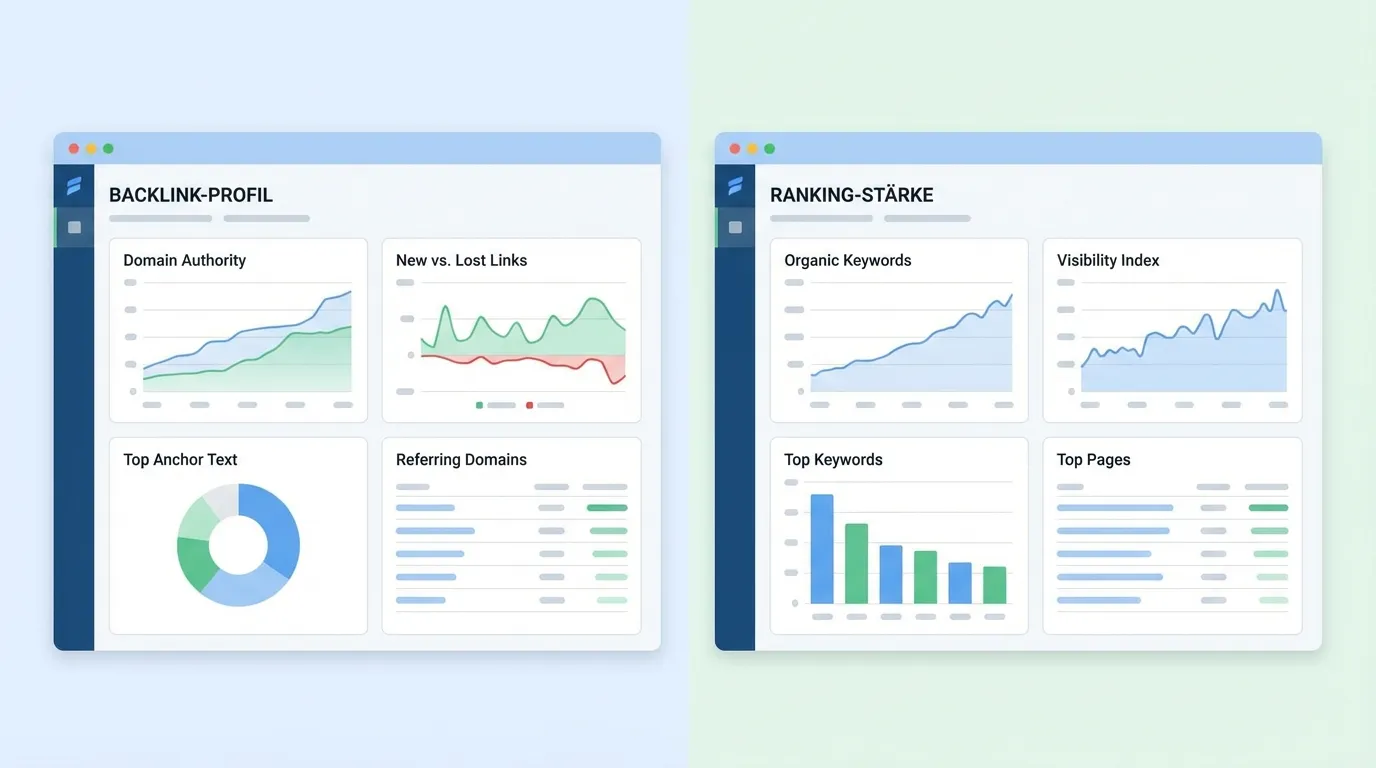
Why Google Does Not Care About DA or DR
This topic often needs a clearer explanation. Google simply does not see Domain Authority or Domain Rating. These numbers come from third‑party tools and do not exist inside Google’s own systems, even though they’re talked about a lot in SEO. That part is simple.
Google reps have said this many times. Third‑party authority scores are not used as ranking signals. Links still matter, but Google looks at them using its own data and formulas, not borrowed scores. Along with links, Google also looks at how helpful a page is, how well it matches what someone searched for, how people interact with it, and how fully a topic is covered across related pages. Rankings usually come from several of these factors working together.
What usually matters more is authority at the page and topic level, not one score for an entire domain. Each page stands on its own. A smaller site can outrank a much larger one if a single page does a better job answering a question. This happens all the time. DA and DR can’t show this level of detail because they flatten a whole site into one number.
Many SEO myths come from this gap. High‑DA sites rank well, so the score gets the credit. But strong rankings and high scores usually come from the same place: solid SEO basics done well over time, with steady work.
Research still shows backlinks matter. Around 95% of pages have zero backlinks, and pages ranking first usually have many more links than those below them (Search Logistics). Links matter, just not through DA or DR.
Google also controls about 90.5% of the global search market, so its ranking systems shape most organic traffic (Backlinko). That influence is hard to miss.
How Smart Teams Use Authority Metrics in Practice
Strong SEO teams rarely obsess over raising DA as a goal on its own. They tend to get better results by reframing the work and looking for signs that show where effort will actually pay off. This shift can be easy to miss, but it often changes how decisions are made.
Instead of chasing the biggest names in the SERPs, teams ask whether a keyword is truly within reach. The focus moves to competitors a few spots away, not the dominant brands sitting at the top. Those nearby results often set the real bar, and that view quietly shapes most next steps.
Segmentation plays a big role too. Teams break work down by page type and keep the logic simple. Content pages and commercial pages usually face different authority levels because intent and competition aren’t the same. So effort goes where authority gaps clearly block results, rather than being spread across everything.
A few habits come up again and again. One common approach mixes SERP reviews with link gap analysis. Before creating content, teams check the DA range of ranking pages. If results are packed with much stronger sites, they shift the angle or pick a different keyword. They also compare DR with close competitors and look at where those sites get links, which helps guide outreach without wasting time.
Tracking progress is another steady habit. Teams follow DA and DR trends over time and ignore daily swings. Slow, steady growth often shows that content and link work support each other.
AI-powered platforms like SEOZilla help by tying authority data to content planning and publishing workflows. Still, most of the value comes from understanding the numbers, not chasing a single score.
Authority Metrics for SaaS and E-commerce Growth
SaaS and e-commerce teams work under steady pressure. Competition stays high, content has to grow fast, and the brand voice still needs to feel consistent across pages and channels, which often takes more effort than expected. Finding that balance is part of daily work for content and SEO teams.
For SaaS teams, DA is often used to judge keyword difficulty for blog posts and landing pages. It becomes especially helpful when teams move into new, feature-led topics tied to planned product updates. DR supports a different part of the work by guiding link building through integrations, partnerships, and expert content. The goals may differ, but the signals behind them stay the same.
E-commerce teams use authority metrics to decide which category pages and buying guides to focus on. Even with a lower DA, a store can compete by building strong topical authority around tight product clusters and closely related content, often SKUs that match the same intent. In practice, focused strategies often beat broad ones.
Across both models, authority metrics support international expansion. Comparing DA with regional competitors shows which markets make sense to enter first and where local link building needs more work.
Automation also plays a role. When content grows without structure, authority signals often weaken over time. Tools that automate internal linking and topic clustering help reinforce authority in clear ways search engines understand, like crawl paths and relevance. Teams that build connected content ecosystems often see authority grow as those links strengthen.
Common Mistakes That Hurt More Than Help
Teams often hurt their SEO by leaning too hard on authority metrics, and it happens more than most people think. Watching a number climb feels like progress, even when it doesn’t match real results.
One common slip is comparing scores across industries. A DA 30 site in a tight B2B niche can beat a DA 70 lifestyle blog. Context matters more than the raw number, and it always has, in my view. If you don’t look at direct competitors in the same space, those comparisons usually fall apart.
Another issue shows up when teams buy low-quality links just to raise DR. The score might go up, but rankings often stay flat. The risk can stick around longer than anyone wants.
Some teams also report DA as a win to executives, which pulls focus away from traffic and revenue, the numbers that tie more clearly to real business results.
There’s also a quieter problem: overreacting to short-term drops. Models change, competitors shift, and numbers move around. Panic-driven tweaks often cause more damage than steady, patient improvement.
How AI Changes the Way We Use DA and DR
AI has reshaped SEO workflows pretty quickly over the last few years. Content creation and optimization now run at scale, and publishing often lives in the same system. That setup is handy, but it can feel rushed and crowded, with little breathing room.
At that speed, authority metrics often act like filters. They guide how AI decides what gets published and how topics are grouped or ranked across areas like blogs versus resources. It’s a simple idea, but it now carries more weight than it used to.
One common example is an AI content calendar that compares DA to pick keywords that match a domain’s strength. Automated internal links often back up weaker pages, while multi-site tools quietly shift plans when one domain pulls ahead.
AI also predicts outcomes before launch. By mixing authority metrics with past ranking data, teams can estimate traffic or link potential, which means fewer guesses and better odds.
Human strategy still matters. AI moves fast, but people usually decide what authority means for their brand and where it fits.
Tools That Show DA and DR Together
Most SEO teams don’t stick to just one platform, and that’s pretty normal. Moz focuses on Domain Authority, while Ahrefs is often the go-to for Domain Rating. Semrush takes a different route with Authority Score, mixing several signals into one number. The approaches differ, but the goal is usually the same, and personal preference often guides the pick.
The right setup can change from week to week. Link building work often points teams toward Ahrefs. For SERP analysis, especially when comparing ranking pages, Moz can feel more practical. Many teams use both at the same time, and that fits real workflows well.
Some teams also rely on browser extensions or simple dashboards that show DA and DR right in search results. This speeds up competitor research during keyword work and outreach.
Platforms like SEOZilla sit on top of these tools. They don’t replace them. They link the metrics to actions like keyword checks, competitor reviews, and outreach choices, which often makes next steps clearer.
For browser optimization, you can review the 10 Best SEO Toolbars for Browsers 2026 guide for helpful integrations.
Questions People Often Ask
Domain authority is a way to compare how likely one site is to rank against another. People use it for side-by-side checks. Moz created the score as a comparison tool, not a Google ranking factor. Google doesn’t use it directly. Many treat it as a benchmark for sizing up websites, and it comes up in SEO talks.
In SEO, these two metrics serve different roles. Domain authority is better for broad comparisons of ranking strength across sites, not close link checks between them. Domain rating, in my view, looks more closely at backlink profiles, checking link strength individually, mainly overall.
A good score often depends on the niche, since it can change a lot. Many sites do well with a DA between 40 and 60. What usually matters more is how your score stacks up against competitors going after the same keywords and similar sites.
DA can dip after Moz updates its model. It can also fall when competitors move faster, which happens a lot. That usually doesn’t mean your SEO got worse. I think the real story shows up in traffic and ranking trends.
No, usually not. It’s better to put your energy into helpful, relevant content for the site and earning links. Domain authority tends to rise along the way and acts as feedback, not something to chase.
The Bottom Line for Modern SEO Teams
Domain Authority and Domain Rating aren’t magic numbers. They work more like lenses that help teams look at SEO with clearer focus and fewer blind spots. Used well, they add helpful context. Used on their own, they don’t promise results, and they’re not meant to.
The real value of domain authority, in my view, shows up when you compare sites and plan next steps. Domain Rating often points to link strength and how a site compares with competitors. Looked at together, these metrics support smarter strategy, but they don’t replace thinking or guarantee rankings by themselves. That part gets missed a lot, even though it matters.
For SaaS and e-commerce teams, especially during growth periods, balance is usually the smart move. Authority metrics can help set priorities and guide decisions, while AI helps scale the work. Still, human judgment matters for protecting brand voice, tone, and quality as things grow.
When authority metrics help shape SEO strategy, they become useful partners. Teams can put effort where it counts and avoid wasted competition, which often leads to steadier, more realistic gains over time. No hype, just progress.