Improve Website Visibility in Multiple Languages: Full Guide
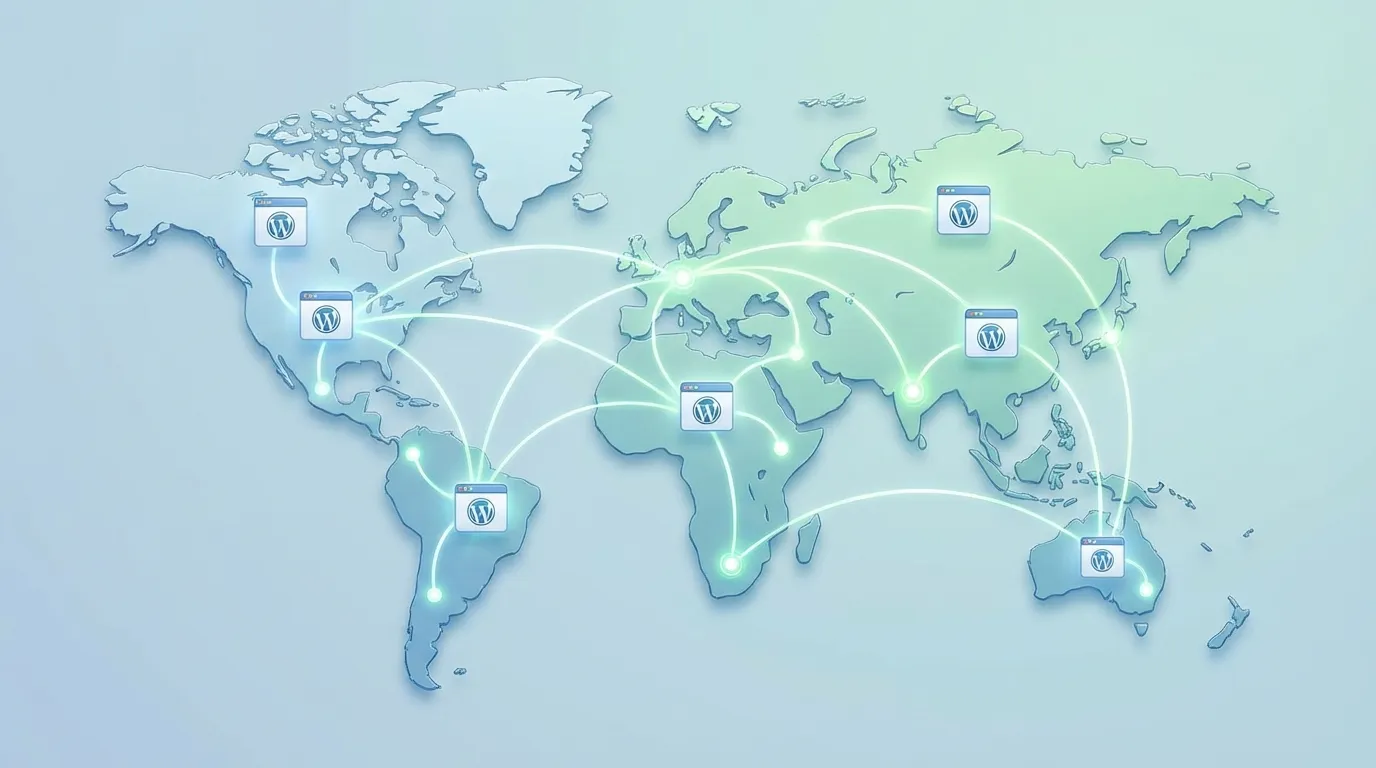
TLDR; Search behavior changes by market, and people expect content to feel local, which makes multilingual SEO a real driver of growth. Doing it well starts with keyword research for each market and a site setup that supports more than one language. Local content should sound natural, with good internal links and solid technical SEO that lasts. Teams can grow output with AI and clear processes, but quality still needs close attention as volume rises. Tracking should focus on business results, not surface-level numbers, so progress is easy to see. Common mistakes include direct translation, weak technical basics, and expecting fast results.
Reaching people in one language is tough enough. Trying to do it in five or ten can turn messy fast. For teams that want to grow, improving website visibility across multiple languages now really matters, not just a nice extra. This shift keeps showing up in results, whether teams plan for it or not. In fact, knowing how to improve website visibility early helps teams avoid costly mistakes later.
Products used in different countries need search visibility that keeps pace. People search differently from place to place, and they don’t react well to content that feels generic or copied. Pages that sound local build trust, and search engines often notice when the effort is real. There isn’t much space for shortcuts.
Most teams start with basic translation, and that’s often where things go wrong. Direct translations miss what people are actually searching for and ignore local habits. That leads to thin pages competing with each other instead of ranking. It’s a common, frustrating pattern for anyone who’s watched international SEO fall apart.
This guide explains how to improve multilingual website visibility without making things complicated. It covers strategy, technical setup, content workflows, and tools that help teams grow. The focus stays practical, with clear examples and no developer-heavy wording.
It also explains how AI-driven platforms like https://www.seozilla.ai support multilingual blogs at scale while keeping brand voice and SEO quality intact. For marketers, SEO leads, or anyone managing content day to day, the goal is simple: clear guidance you can actually use.
Why multilingual visibility matters more than ever
Search behavior looks different now. Buyers expect to find content in their own language and compare options across countries without a second thought (most people have done this). If a site feels confusing or unfamiliar, they leave almost right away. On mobile, this happens even faster. Attention is short, and trust signals need to show up instantly, there’s no time to pause or guess.
This change isn’t limited to global brands. Mid-sized SaaS companies and local e‑commerce stores now get international visitors by default, whether they plan for it or not. Service businesses see the same thing. If someone lands on a page that doesn’t feel like it’s meant for them, they bounce. That behavior sends negative engagement signals back to search engines, which directly hurts visibility.
The data backs this up.
| Metric | Value | Year |
|---|---|---|
| Consumers who prefer browsing in native language | 90% | 2025 |
| Consumers more likely to buy in native language | 74% | 2025 |
| Users who will not purchase without local-language support | 82% | 2025 |
These numbers show why visibility in multiple languages ties straight to revenue, not just pageviews. Language plays a big part in trust, and trust shapes whether someone clicks, signs up, or buys. In many industries, localization alone can boost conversion rates by double digits, which is hard to ignore.
There’s also a clear opening in the market. About half of websites still focus mostly on English. That leaves high-intent markets underserved. Brands that move early often win search results by offering content that feels natural, not stiff or clearly translated.
As Phrase explains:
Multilingual SEO is the process of optimizing website content in multiple languages to improve its visibility in search engines in diverse target markets.
This goes beyond translating blog posts. It’s about building real search visibility and authority in each market, and giving people a reason to stay.
Start with market-specific keyword research to improve website visibility
Teams often lose ground by translating keywords instead of researching them locally. Words rarely match up cleanly between languages, and small shifts in intent can change what people actually click. Search volume and competition shift too, and even minor spelling differences can quietly move rankings up or down.
Better website visibility comes from running keyword research per language and per country. Each market acts like its own SEO project, with different assumptions, benchmarks, and results. What works in one place doesn’t automatically carry over.
A practical way to handle this starts with clearly defining the market and researching keywords locally at the same time. Spanish in Spain and Spanish in Mexico behave differently in search. The same is true for German in Germany compared to Switzerland. Geography, local phrasing, and cultural details all shape outcomes.
You can find helpful signals directly in local SERPs, but that’s only part of the story. Autocomplete shows common phrasing. Local competitors reveal what already connects. Forums, Reddit threads, and regional Q&A sites are especially useful for finding real questions, while tools often lag behind on intent. Why guess at motivations when people spell them out themselves?
Instead of fixating on exact wording, map intent. Keywords that look similar can point to very different stages of the funnel. Some regions favor research-focused searches, while others lean more transactional. Context decides how a term should be used.
Insights shared by Aleyda Solis from InternationalSEO.services back this up: successful multilingual SEO depends on separate keyword research per market and avoids direct translations that miss local intent.
The work pays off by avoiding pages that rank poorly or attract the wrong audience. Once keywords are set, grouping them into topic clusters strengthens internal linking, simplifies content planning, and builds authority that lasts. You can find more insights in the SaaS SEO tools guide which outlines scalable strategies for multilingual teams.
Build the right multilingual site structure to improve website visibility
Search engines use your site structure to understand how your languages connect. If that structure is messy, pages can compete with each other or fail to rank, even when the content is good. This often leads to frustration and slowly chips away at strong work.
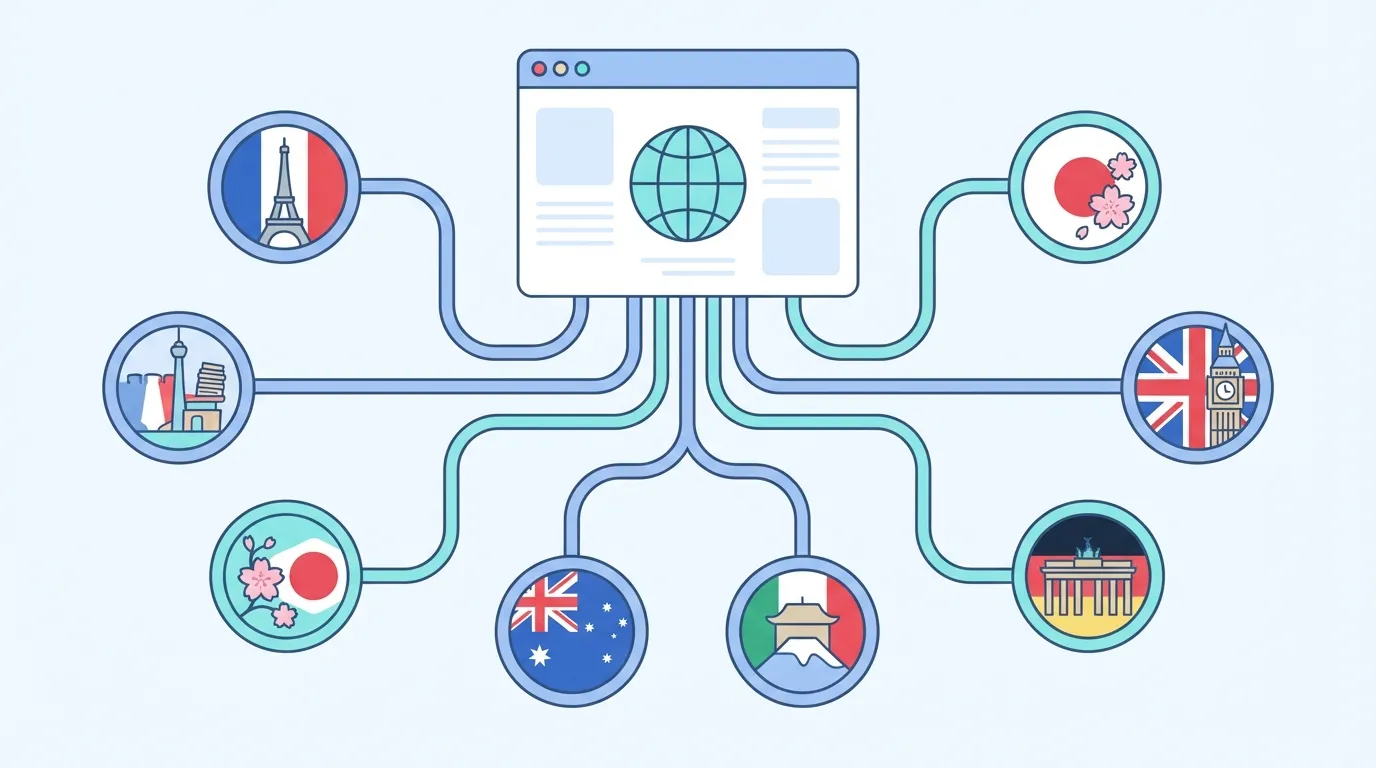
Most teams pick from a few common setups. Some use subdirectories like example.com/fr/. Others choose subdomains such as fr.example.com. Another option is country‑specific domains like example.fr. All of these try to link language versions clearly, but the downsides show up quickly.
For most SaaS and e‑commerce teams, subdirectories are usually the easiest option. They keep domain authority together, make analytics simpler, and cut down on ongoing upkeep. Subdomains can still work, but authority gets split and management becomes more complex. Country domains take the most time, budget, and coordination, which teams notice early.
No matter which structure you pick, consistency matters. Mixing approaches across languages confuses search engines and users.
Hreflang also needs careful setup. It tells Google which page matches each language and region, helping avoid duplicate content and show the right version to the right people.
Hreflang isn’t enough on its own. Search engines also look for local signals, including:
Local currency
Examples that feel familiar
Content aligned with local regulations
Testimonials from the market
As ALM Corp research warns:
The most significant dividing line in 2026 international SEO exists between authentic market-scoped content and superficial translated replicas.
Create localized content that sounds human
Localization goes beyond swapping words. Context, habits, and cultural expectations matter, especially the small details people notice right away.
A good localized page answers real local questions. It uses phrases people actually say and speaks to problems they recognize. The page should feel like it came from someone who knows the market firsthand, because guessing is easy to spot. Nothing copied. Nothing assumed.
Here’s a quick checklist you can skim:
Headlines usually need rewriting, not translating
Local readers notice fast when examples and case studies don’t fit
Does the tone match what people in that region expect?
Local metrics, dates, and formats build instant trust
Brand voice often starts slipping here. Once multiple languages come into play, teams worry about staying consistent. To play it safe, content turns generic and familiar. Flat. Easy to forget.
AI helps only with clear direction. Unguided output, without solid brand rules, leads to uneven results and slowly wears down trust.
Platforms like https://www.seozilla.ai focus on brand‑aligned AI writing. Teams set tone and terminology once, lock in positioning early, and use it across languages while still allowing local nuance.
That makes regular publishing easier, with human review focused on nuance instead of constant rewrites.
Welocalize sums up the business impact well:
By looking beyond simple keyword localization and prioritizing strategic multilingual SEO programs focused on audience behavior, global brands can truly tap into the vast potential of the international marketplace and succeed in the digital age.
Use internal linking to build authority across languages
Internal links help people and search engines move through a site. On multilingual websites, they also share context and topic signals between related pages. That only works if the structure is clear. Treating every language as one shared pool often mixes those signals and weakens them instead of helping.
Each language does better with its own internal linking setup. Navigation menus and in-text links should match the page language. A French article that links to French resources keeps readers on track and avoids confusing search engines. It seems obvious, but it often gets missed during quick updates or big launches.
Within each language section, intent matters more than link count. A few well-placed links work better than clutter. Older, trusted pages can support newer ones, and localized anchor text should match how people actually search in that language, short, natural, and clearly tied to the topic. For deeper technical insight, see the AhrefsBot Guide 2026 for examples of how crawling impacts multilingual SEO visibility.
As sites grow, automation starts to make sense. SEOZilla supports separate sub or child projects for each language, each with its own internal linking rules. That keeps French content linking to French and German content linking to German, while still supporting regular weekly publishing without manual cleanup.
Improve technical SEO for non-developers
Technical SEO can sound scary, but it’s easier than most people think. You can see results without touching code, and most fixes don’t need developer access. What matters is sticking to basics you already control, like:
Fast mobile load speed
Clean, easy-to-read URLs
Pages search engines can index
No duplicate titles or meta descriptions
Outside the US, mobile performance matters even more. In many regions, phones are the main, or only, way people browse. If local pages load slowly or don’t work well on mobile, rankings drop fast and users leave.
| Metric | Value | Year |
|---|---|---|
| Global web traffic from mobile devices | 60% | 2026 |
Simple audits help a lot. Many AI SEO tools offer technical checks, alerts, and clear tips you can use without writing code.
Scale content production without losing quality
SEO rewards consistent output, but that balance gets tricky once multiple languages come into play. Each new language brings handoffs, extra steps, and more chances for things to drift. Those small gaps add up quickly.
Many teams hit a wall here, even after early wins, even when they know the approach works. It’s frustrating, and it slows progress.
Hiring more people rarely fixes the issue. A smarter workflow does. When the system takes care of the structure, teams don’t have to.
Platforms like https://www.seozilla.ai let teams set up one parent project and add language sub-projects under it. Each one connects to the same blog, just in a different language. The setup stays clean, without patchwork fixes.
Topics get planned once, then adjusted with local context. Content publishes to WordPress or Webflow, and the brand voice stays consistent. Bottlenecks fade, and writers spend time on strategy and review instead of repetitive setup.
Measure what actually matters
Traffic can look healthy and still hide real problems or missed chances, and teams fall into this trap more often than they think. You’ll get better signals by looking past totals and paying attention to what changes in each market.
Track:
Impressions by language
Keyword growth in each market
Engagement signals, like time on page
Conversions by locale
Create dashboards for every language. Compare trends over time instead of raw numbers, so a smaller market that’s growing faster can earn more investment.
Common multilingual SEO problems and fixes
Assuming one fix works everywhere causes problems fast. Teams often see pages indexed in the wrong country, or translated pages that get low engagement and cause keyword cannibalization across languages.
You’ll often find hreflang set up wrong. Another option is to do more with localization and separate similar pages more clearly, without a huge overhaul.
Test changes per market, one at a time, and watch how each market responds.
Common Questions Asked Here
Timing depends on competition, authority, and how deep the localization goes, so results aren’t quick. Early signs often appear after three to four months (mainly crawling and indexing, it’s early). Rankings come later, usually around six to nine months (this part really tests patience).
No. Translation by itself falls short. Without localization, pages don’t match local expectations, and search engines and users both want obvious local intent.
Yes. Separate hubs for each language keep categories and internal links simple and clean. With no guesswork, that clear structure helps engagement and boosts rankings.
With the right guidance, brand-aligned AI with human review can grow easily, clearly cut costs (yes, really), and save you money.
Teams often treat multilingual SEO as a one-time task. But it really needs regular updates, testing, and learning over time; it’s not something you set once and forget.
Putting multilingual SEO into action to improve website visibility
Real results in multilingual visibility come from regular, focused work, not quick wins. Teams that keep showing up and doing the right things usually see results build over time.
One market done well matters more than five done halfway. Solid keyword research helps shape a site structure that actually works, and local content works better when it sounds natural and useful to readers like you.
What comes next? Growth gets easier when systems are set up and stress stays manageable.
Platforms like https://www.seozilla.ai make this practical. Multi-project language setups and automated, brand-safe publishing let teams grow globally without things falling apart.
Demand is already there. Building visibility that speaks your customers’ languages can start here, with a clear, workable setup that helps improve website visibility naturally and effectively.