Cheaper Alternative to Semrush: 12 Top Picks for 2026

If you use Semrush, you know that it’s powerful and packed with features, we can all agree on that. Research, tracking, and reporting all live in one place, which sounds great in theory but real life tends to catch up and get quite confusing. Semrush is expensive and complex, and for many teams it ends up being more than they can comfortably handle day to day or even need. In 2026, budgets are tighter and teams are smaller than they used to be. SEO has also moved fast toward AI-driven content workflows and keeping brand voice consistent across blogs, landing pages, and social posts. With that in mind, it makes sense that more marketers are actively searching for a cheaper alternative to Semrush that still delivers real results, without the extra bulk slowing everything down.
The good news is simple. There are now plenty of strong Semrush alternatives for every budget. Some focus almost entirely on backlinks and do that one job very well. Others are known for content optimization and clear on-page guidance. Some are built for automation and scale, while others are easier for beginners chasing quick wins. There are also tools designed for advanced teams managing thousands of pages across multiple sites. In this guide, we’ll walk through 12 sites like Semrush and explain how each one fits different budgets and real-world needs.
You’ll see pricing details, key strengths, practical limits, and a few quirks for every option, because no tool is perfect. We’ll also explain why many teams now replace Semrush with a smarter mix of tools instead of relying on one giant platform.
Why do teams need a cheaper alternative to Semrush?
Before jumping into alternative tools, it helps to understand why so many teams are questioning Semrush in the first place. Cost is usually the first thing people mention. Plans often start around $129 per month and climb fast once you add extra users or projects. For many growing teams, that price is tough to justify when the platform only gets used in short bursts each week. It’s common to log in, run a couple of reports, and leave. That kind of on‑and‑off use can feel wasteful, especially for smaller teams or solo marketers who don’t need enterprise‑level depth.
Focus is usually the next concern. Semrush tries to do everything, like a swiss army knight, very powerful but can get you lost quickly: keywords, rankings, PPC, social, content, audits. On paper, that sounds great. In real life, most teams rely on a small handful of features and ignore the rest. Many are really looking for one tool that’s great at a single job, like keyword tracking or content planning, fits neatly into their existing stack, and clearly points to what to do next. Too many dashboards can turn into noise, and unused tabs often just sit there, unopened.
Another reason teams move on is the shift toward AI‑driven content and automation. Modern SEO goes beyond picking keywords. Teams often focus on building topical authority, improving internal links, publishing faster, and keeping a consistent brand voice across hundreds or even thousands of pages. To support this, many teams mix SEO tools with AI editors, automated publishing systems, content engines, and workflow tools. From my experience, this setup helps teams move faster without quality dropping, which matters when content goes out weekly, or even daily.
Rand Fishkin, Co‑founder of Moz and CEO of SparkToro, has said that most businesses don’t actually need an all‑in‑one platform like Semrush right away. They often get better results from a focused, lower‑cost stack that’s easier to use and fits how the team really works. This honest opinion matches a broader shift in 2026, toward role‑specific tools: fewer layers, clearer choices, and decisions based on real workflows instead of long feature lists.
1. SE Ranking: A popular cheaper alternative to Semrush

SE Ranking is often the first tool people bring up when talking about cheaper alternatives to Semrush, and that reputation is easy to understand. It covers most everyday SEO tasks at a lower cost, which is why it keeps getting recommended. From one clean dashboard, you can track keyword rankings, run site audits that point to technical issues, check competitors, monitor backlinks, and create client‑ready reports. The layout stays simple and easy on the eyes, which helps if too many charts feel distracting instead of useful. It’s easy to move around without feeling rushed or overwhelmed.
One thing many users like is how flexible the pricing feels. The cost changes based on how often keywords are checked and how many you track, so you’re not paying for limits you never use. Over time, that can save a noticeable amount. For freelancers, small teams, and growing agencies watching their budgets, this setup just makes sense. It’s also simpler than Semrush, so helpful insights often show up within a day or two instead of after a long setup process.
SE Ranking fits SaaS teams, in‑house marketers, agencies, and solo SEO pros who want reliable rankings, clear audit fixes, and quick looks at competitors. It doesn’t go as deep as Semrush in every area, but for tracking keyword changes, site health trends, and backlink movement over time, it usually does the job, and for many teams, that’s enough.
| Tool | Starting Price | Best For |
|---|---|---|
| SE Ranking | $31, 39/mo | Affordable all-in-one SEO |
| Semrush | $129/mo | Large all-in-one platform |
2. SEOZilla: A focused tool for regular quality content
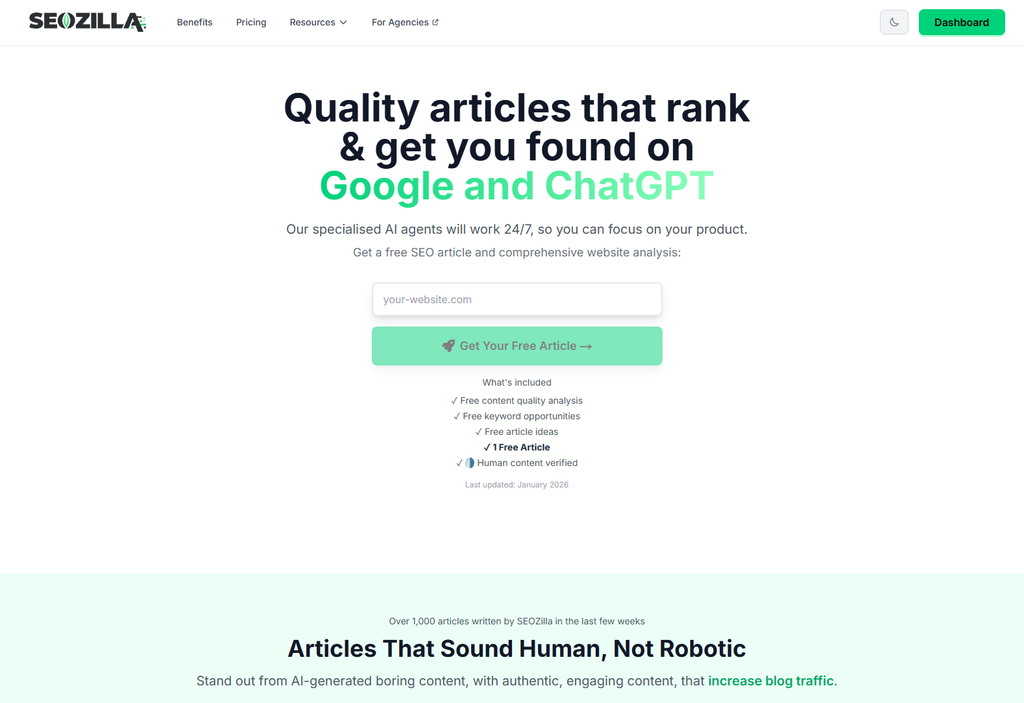
SEOZilla ranks high because it solves a different problem than Semrush. While Semrush focuses mostly on research, dashboards, and tracking metrics, SEOZilla centers on what teams often struggle with most: publishing content fast and getting it right. It’s an AI-powered SEO content automation platform made for teams that need to ship a lot of pages without losing their brand voice, which can get messy as output grows.
What really works here is how practical the workflow feels. Teams can create content that follows brand rules, automate internal links, and optimize pages based on real search intent instead of just single keywords. From there, pages can be pushed straight into CMS platforms like WordPress and Webflow, plus a few others. In 2026, setups like this matter a lot. Speed, clear structure, consistent formatting, and solid topical coverage often beat chasing raw keyword numbers, especially for sites that update content often.
SEOZilla is a strong fit for SaaS and e-commerce teams handling lots of pages across multiple sites. There’s no need for spreadsheets or constant tool hopping, which usually slows things down. The workflow runs from idea to live page, making handoffs between SEO, content, and engineering smoother.
Many teams use SEOZilla alongside lighter SEO data tools instead of relying only on Semrush. That mix is often cheaper and usually leads to more pages that rank and convert, especially for long-tail and programmatic SEO.
For teams building scalable systems, SEOZilla fits well alongside other saas seo tools focused on automation and steady growth.
3. Ahrefs

Ahrefs is often the first name people bring up when talking about a Semrush alternative that leans heavily on SEO data, especially backlinks, where it clearly stands out. What gets attention is how easy it makes competitor search performance to understand, showing who links to whom and where those links actually come from. Many SEOs lean on Ahrefs more than other tools because the backlink data usually feels accurate and stays fairly fresh over time, which isn’t something every platform pulls off. That reliability matters a lot once decisions are based on daily data instead of guesses.
Barry Schwartz, CEO of RustyBrick, puts it simply by saying that “Ahrefs has one of the strongest backlink indexes in the industry, and it’s often the go-to tool for SEOs who prioritize link building and competitive research.” (Source). Because of this reputation, Ahrefs has become a regular choice for more advanced SEO teams, the kind that check rankings and links all the time.
Price is the main downside, and it’s better to be direct about it. Plans usually start around $129 per month. Even so, many teams still choose Ahrefs over Semrush because the data feels cleaner, reports load fast, and the interface stays focused on organic search instead of spreading into ads or social features they may not need.
When backlink analysis and competitor gaps are the main focus, Ahrefs often works well as a Semrush alternative, even with the higher cost. It also helps to know how Ahrefs crawls sites; the details are covered in the AhrefsBot guide, which is handy once you start digging into reports. You can also explore more comparisons in Ahrefs API Alternatives in 2026.
4. Ubersuggest: A budget-friendly cheaper alternative to Semrush
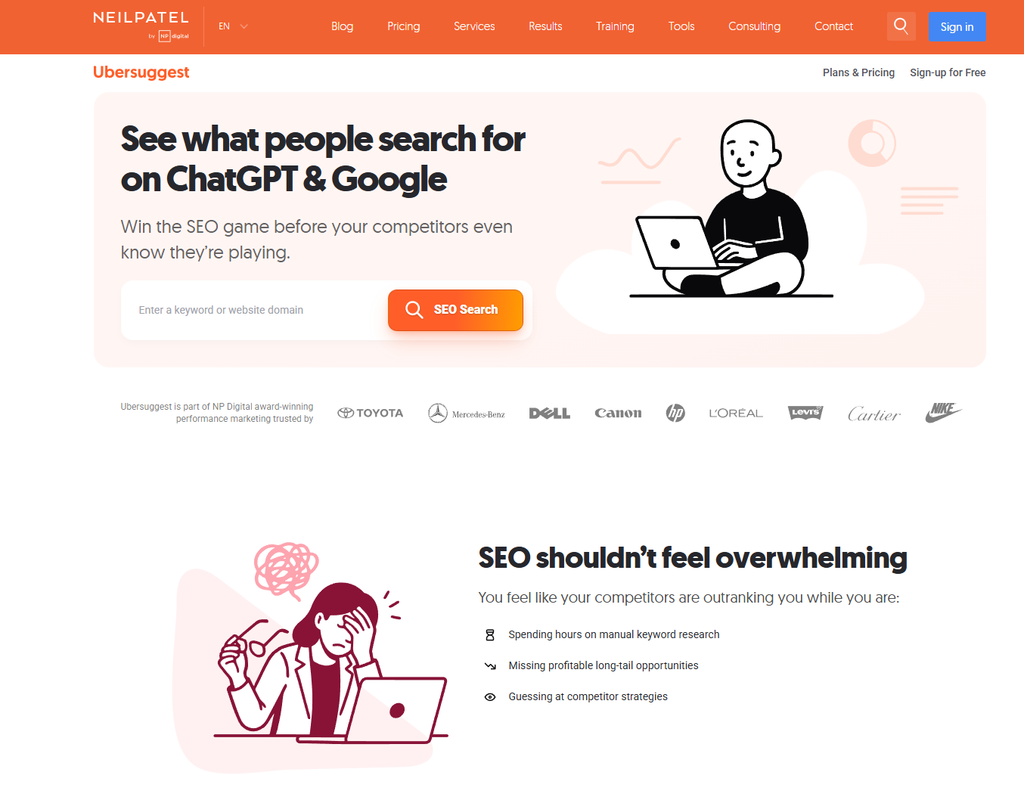
What makes Ubersuggest different is how quickly it gets out of your way. You can be up and running in minutes, which helps when you want answers instead of fighting with settings. It’s also one of the cheapest Semrush alternatives out there, built for small businesses, freelancers, solo creators, and beginners who want basic SEO insights without paying hundreds each month. When time and money are tight, that often matters more than having every advanced feature.
The tool covers keyword ideas, basic site audits, backlink data from a smaller index, and traffic estimates. The data isn’t as deep as Ahrefs or Semrush, and that’s the tradeoff. Still, it works well for early-stage sites, local businesses, side projects, and quick SEO tests, which is where it really works best.
For content managers, Ubersuggest is useful for fast keyword checks or a quick gut check before writing. It also works well as a teaching tool for teams new to SEO. Less overwhelm and better first steps, in my view.
5. SpyFu
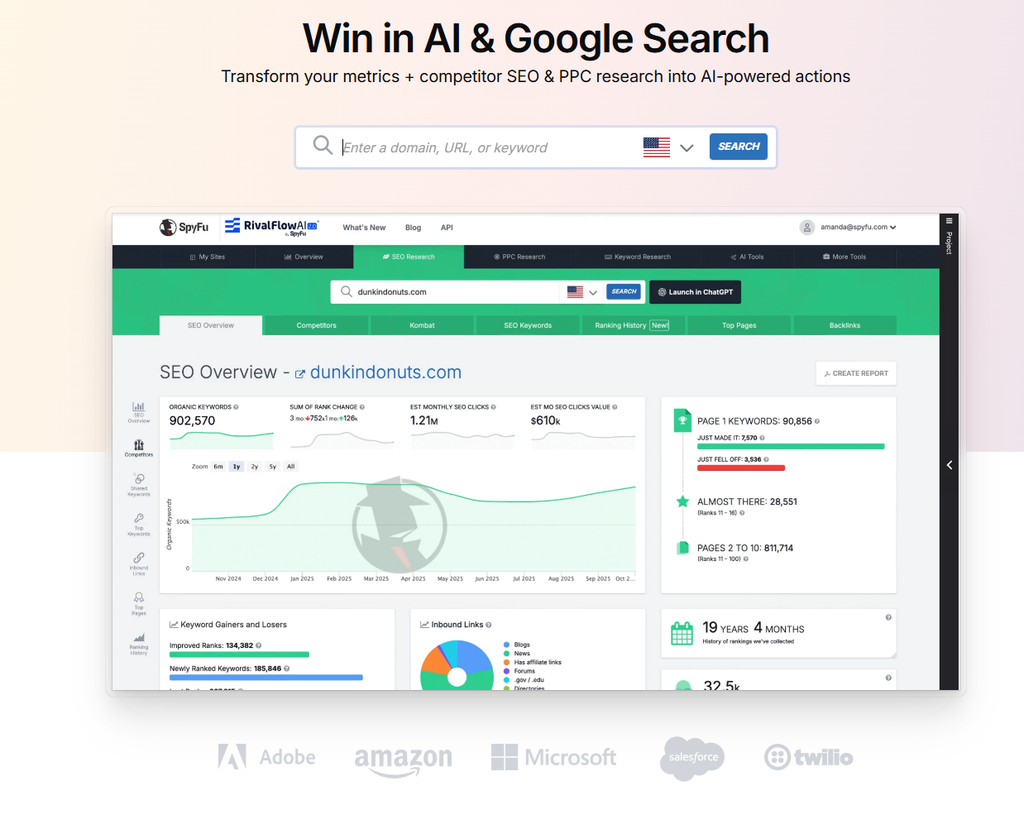
The biggest draw of SpyFu is its long historical view. It lets teams look at how competitor strategies worked over time instead of guessing in the moment. The tool centers on competitor intelligence, especially paid search and keyword history. You can see what rivals ranked for or ran ads on over many years, sometimes close to a decade. That long view often makes trends easier to trust.
SEO teams usually turn to SpyFu to pick keywords that have already shown results. You can spot terms that held rankings for months and see what actually worked, which makes planning feel more solid. When PPC teams share those findings with SEO, the tool feels even more useful.
Pricing starts lower than Semrush, which helps marketers who want competitor insight without paying for a full SEO suite. It’s easier to justify and pairs nicely with content tools or a separate rank tracker, and setup is simple.
6. Mangools
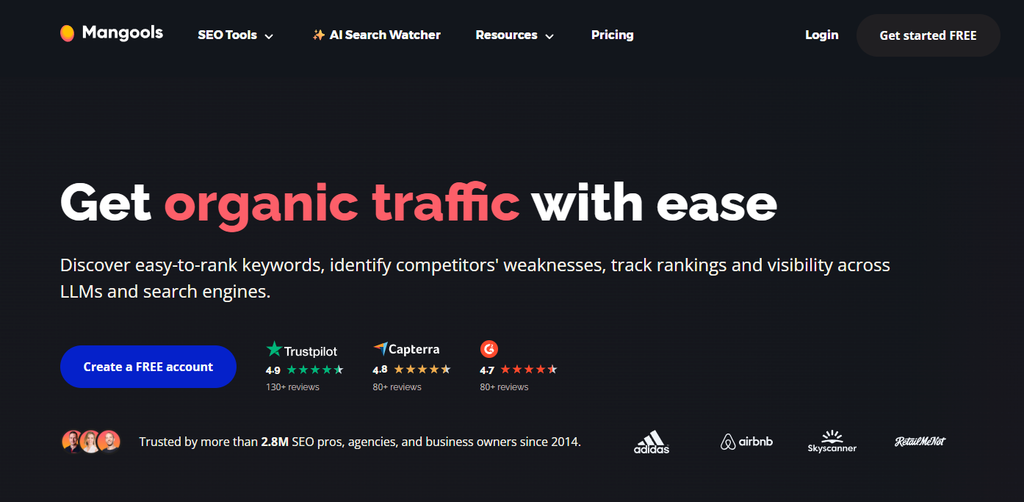
Mangools is known for being friendly and easy, and that feels very much on purpose. It avoids flashy extras and sticks to a small, focused set of tools: KWFinder, SERPChecker, SERPWatcher, and LinkMiner. Each tool does one clear job, which keeps the interface clean and easy to read. Most of the time, the next step is obvious without clicking around.
What people notice first is how calm it feels to use. It works well for bloggers, content teams, agencies, and small businesses that don’t need deep technical features. Keyword research stays visual, SERP checks are easy to follow, and users rarely feel overwhelmed.
Mangools isn’t made for enterprise work, and that’s fine. Many teams like that tradeoff. It’s a solid Semrush alternative when clarity, speed, and ease of use matter more than complex features.
7. Moz Pro
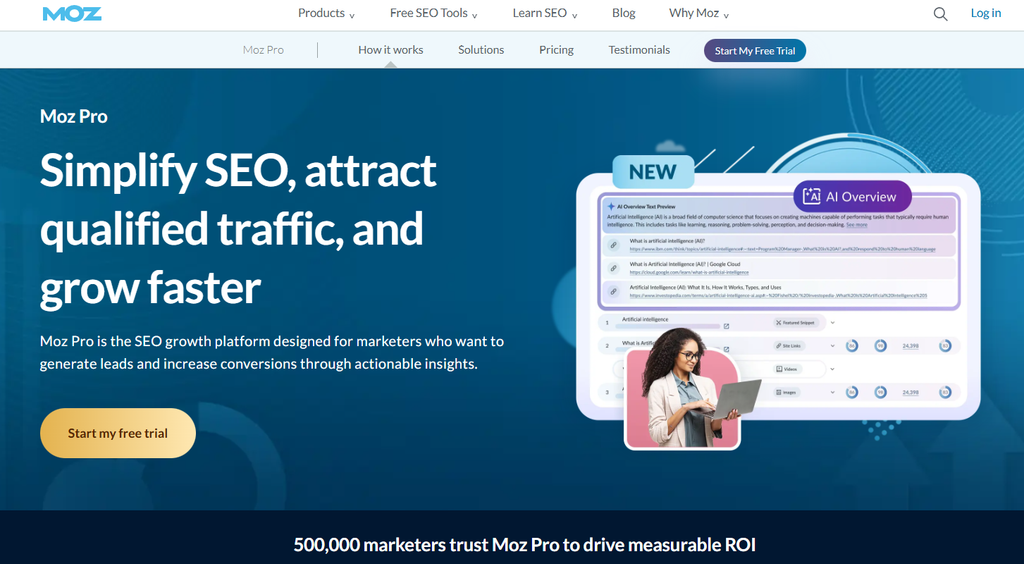
Moz Pro has been around for a long time, which is one reason its metrics are still widely trusted. Domain Authority, for example, comes up often in SEO conversations, link outreach, client updates, stakeholder reports, and plenty of slide decks. It’s still relevant because it’s easy to recognize and usually simple to explain, which helps keep everyone on the same page.
What I notice most is how educational the platform feels. Along with keyword research, rank tracking, site audits, and link analysis, the reports explain what the numbers mean and suggest clear next steps. That helps a lot when someone is still learning. Pricing starts around $99 per month, which is cheaper than Semrush and many newer tools, so it works well for in-house teams or junior SEO training focused on steady, long-term progress instead of flashy wins.
8. Screaming Frog
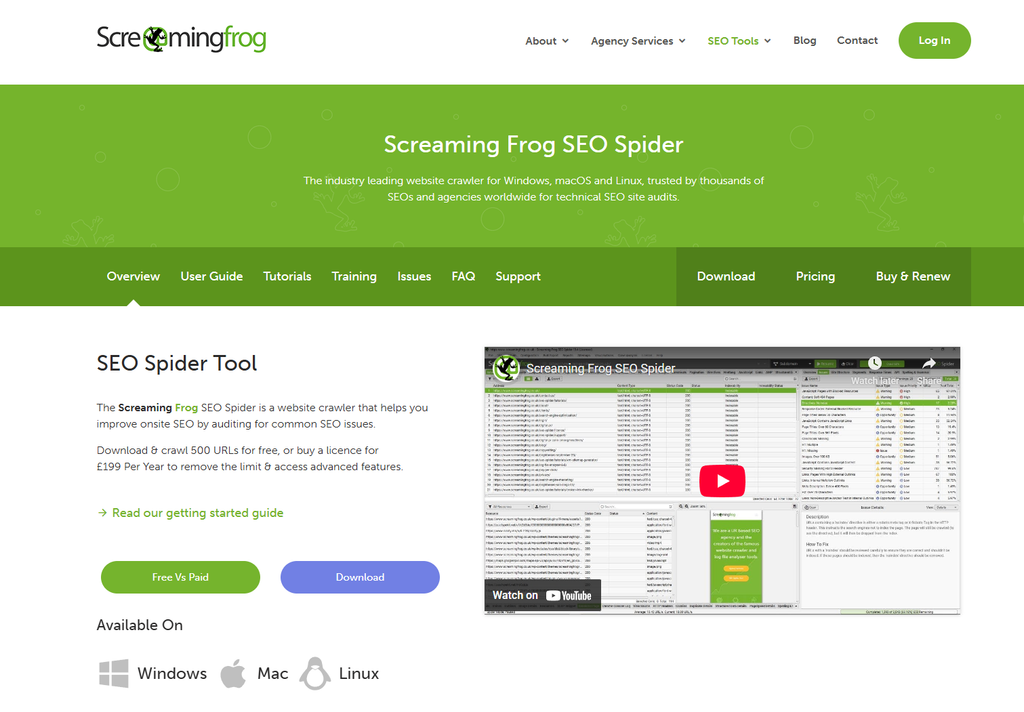
What you notice right away is how different Screaming Frog feels compared to Semrush. It runs on your computer as a desktop crawler, and its technical SEO focus becomes clear pretty fast. Because it’s very hands-on, many teams rely on it when things get serious, like right before a site migration or right after a major redesign.
Rather than quick, surface-level takeaways, you crawl your site to find broken links, duplicate content, missing tags, redirect chains, and indexation issues, the kinds of problems browsers often miss. It gives you strong control and a clear view of how a site really works. Most teams use Screaming Frog alongside other tools, not instead of them. If technical SEO, large sites, or messy setups matter to you, it’s hard to skip, especially when a crawl spots redirect chains before launch day.
9. Serpstat
For many people, the biggest draw is the price. Serpstat is a budget‑friendly Semrush alternative with a wide range of tools. It brings keyword research, rank tracking, site audits, backlink checks, and competitor research into one dashboard, so teams don’t have to jump between tools during daily SEO work, which saves time. It focuses on the everyday SEO tasks most people already do. It doesn’t lead every category, and that’s usually fine. Agencies like it for multi‑region, multi‑language projects and pricing that can grow from a small site to a larger campaign.
10. Surfer SEO
Surfer SEO isn’t trying to replace Semrush, and that’s probably why it works. It fills a different spot in modern SEO stacks and usually does that job well. The focus is narrow and practical: on-page content optimization based on live SERP data, NLP terms, competitor pages, and what’s already ranking, which is often what actually matters.
Most people write with Surfer open next to them, and you’ll feel it gently guiding the process. You get suggestions for structure, topic gaps, and missing headings, along with notes on how deep to go. It can feel a bit pushy at times, but it’s still helpful. This points to a wider move toward topical authority and search intent, instead of old-school keyword stuffing.
Lily Ray, SEO Director at Amsive Digital, says content tools like Clearscope and MarketMuse, often more reliable for editorial planning than classic keyword tools, are replacing them in daily workflows (Source). That matches how content teams usually work now.
Surfer works best when paired with publishing or automation tools, and it’s often compared in guides like Surfer SEO vs Ahrefs.
11. MarketMuse
MarketMuse leans more toward strategy, in my view, and that’s usually what pulls teams in. Rather than chasing one-off ideas, it helps map content clusters, find topical gaps, and decide which pages matter most, like pillar pages versus support posts. This overall view helps explain why SaaS companies and larger editorial teams rely on it, since they’re often planning months ahead, sometimes even a full year.
The price is higher than many tools here, that’s true. Still, it can cut back on manual planning, messy spreadsheets, and constant second-guessing across teams, which you’ll notice pretty quickly. Many teams also pair it with automation tools, so ideas move from strategy to published content faster, with fewer handoffs along the way.
12. Clearscope
What people usually notice first is the price, since Clearscope is a premium content optimization tool. Still, it puts the focus on quality and readability, things like sentence flow and scannability, while keeping relevance in mind, instead of chasing raw keyword counts. Editors often like it because it helps writers match SEO goals and brand standards, which means less guesswork and fewer rewrites. When strong content ties directly to revenue, like blog posts that drive sign-ups, it can pay off with better rankings and smoother workflows on real articles.
How to choose the best cheaper alternative to Semrush for your team
Choosing the best Semrush alternative comes down to what a team needs day to day. If raw SEO data matters most, Ahrefs or SE Ranking cover keyword research, backlinks, and rank tracking with less friction. When content volume and speed drive results, tools like SEOZilla with Surfer, MarketMuse, or Clearscope work better by guiding outlines, on-page work, and faster publishing.
Many teams prefer modular stacks instead of one giant platform. You might see Screaming Frog for audits, a rank tracker, an AI content tool, and a log file analyzer when issues appear. This setup is cheaper and easier to change as needs shift. For more targeted keyword strategies, the Keyword Placement Guide: SEO Best Practices 2026 can help.
For multiple sites, guides like the best SEO toolbars for browsers and cheap SEO tools help fill gaps, from quick on-page checks to basic tracking.
The bottom line for 2026
Semrush is still powerful, but it’s not the automatic pick it used to be. In 2026, solid SEO teams usually choose tools that fit how they work every day, what they can afford, and where the business is going next, not just what looks good on a feature list. Short and simple. What matters more is hands-on automation for audits and reports, content tools that help outline and improve posts, and software that stays quick even when someone is publishing on a random Tuesday afternoon.
Here’s what real teams tend to say:
- You don’t need one platform doing keyword research, content briefs, and reporting all at once.
- Cheaper Semrush alternatives often give better ROI, especially for small teams with tight budgets.
- AI content tools and automation are getting more important as workloads grow and deadlines stay tight.
- Modular stacks scale better and are easier to train people on over time.
If the goal is to move faster, publish more, and keep brand voice steady, it’s worth rethinking the SEO stack, starting with a tool your team actually likes using.
Common Questions Asked Here
Most options cost money, but Ubersuggest gives limited free access. Google Search Console works well for site basics, Google Trends helps track interest changes, and Bing Webmaster Tools can fill data gaps. If you’re on a budget, I think this helps a lot.
For teams, SEOZilla, Surfer SEO, MarketMuse, and Clearscope can replace Semrush. They help plan topics and tune briefs at scale, Surfer for SERPs, MarketMuse for strategy, Clearscope for briefs, often more steady.
Yes. I think many teams use a modular setup, mixing rank tracking, site crawling, content tools, and light reporting, because it stays flexible as SEO plans change. It’s often cheaper and usually adjusts better when needs shift over time.
Often the quick answer comes down to what matters most: Ahrefs is better for backlinks and competitor research, especially audits, while Semrush handles marketing like ads. So it makes sense to choose based on your goals and budget.